

A pavilion is a freestanding architectural structure designed for gathering, relaxation, exhibition or shelter. Unlike primary buildings, pavilions are often lighter in form. Pavilions are built either permanently or for temporary cause and are created to celebrate a particular experience, event or landscape.
Pavilions and Architecture
Pavilions have long been a playground for architects to experiment with ideas, materials and construction techniques as well as a showcase to exhibit the possibility, creativity and innovations. Since they are usually smaller than conventional buildings, they offer a unique opportunity to test bold concepts without the constraints of larger projects.
Pavilions often:
- Create spaces for social interaction.
- Blend architecture with nature.
- Showcase innovative materials and structures.
- Experiment with temporary and modular design.
- Encourage public engagement with architecture.
A pavilion is not merely a shading or transitional structure. It is an experience carefully designed to connect people with their surroundings and are intentionally built people to go through certain experience.
Pavilions in early days
Pavilion in history is recorded in Turkey. In Mughal Architecture also pavilion designs as Gabons were designed in landscape areas. In early days, pavilions had been built to serve as recreational spots inside the palaces.
Why – Pavilions even today?
Pavilions contribute significantly to contemporary architectural culture because they:
- Encourage innovation and creativity
- Act as architectural prototypes
- Activate public spaces
- Strengthen the relationship between people and place
- Experiment new materials, technology and techniques to provide immersive spatial experiences on a smaller scale.
One of the most celebrated contemporary examples is the Serpentine Pavilion, London
The Serpentine Pavilion is an annual architectural commission located in Kensington Gardens, London.
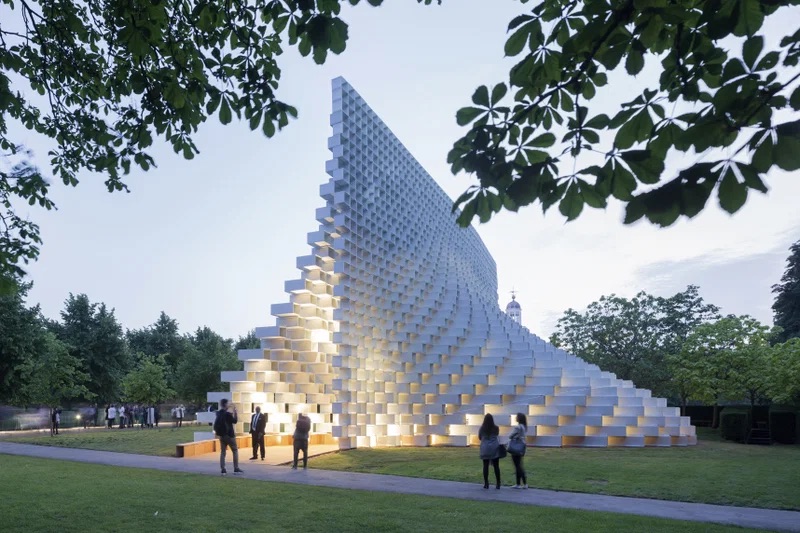
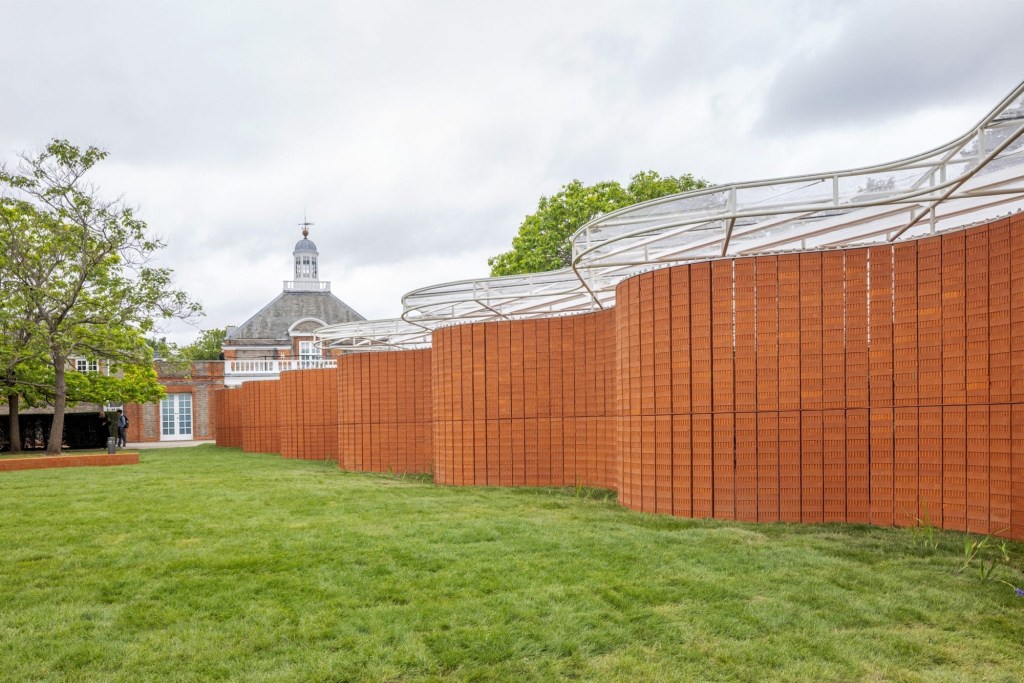
Every year, a renowned architect is invited to design a temporary pavilion, resulting in a collection of innovative structures that showcase diverse architectural philosophies.
Design Concept
Each pavilion explores a unique architectural idea:
- Lightweight and experimental structures
- Temporary construction techniques
- Interactive public spaces
- Strong connection with the surrounding landscape
- Innovative use of materials and technology
Spatial Experience
Visiting the pavilion offers a constantly changing experience:
- Open and inviting gathering spaces
- Framed views of the garden
- Dynamic play of light and shadow
- Opportunities for exhibitions, talks, and events
Each edition demonstrates how a temporary structure can leave a lasting architectural impact.
Materials Used
Depending on the architect, materials included are :
- Timber
- Steel
- Glass
- Fabric membranes
- Recycled and sustainable materials
The result is a structure that challenges traditional notions of permanence while creating meaningful public experiences.
The Serpentine Pavilion demonstrates how temporary architecture can inspire innovation, interaction, and creativity in the built environment.
Which is the pavilion that inspired you the most? Don’t forget to share them in the comment section below. Check my previous Architecture word of the week – Fractals, Shape Grammar. Also follow up for more upcoming architectural contents.


Leave a Reply